
Fake recruiters in your name
Trace the linked accounts and infrastructure, then move each confirmed asset through enforcement.

Outtake searches for accounts claiming your company, connects related profiles and infrastructure, and routes confirmed cases through enforcement.
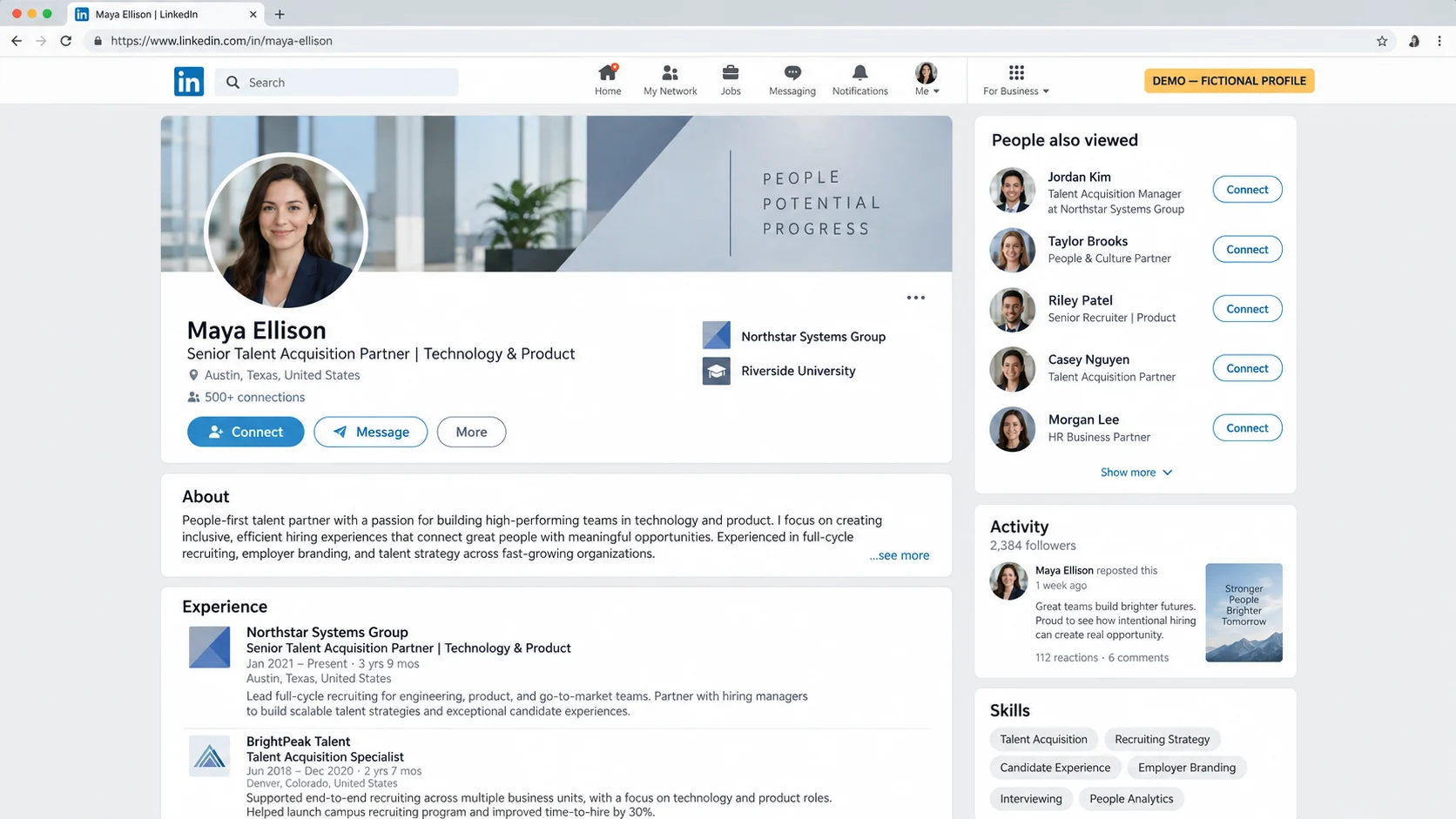

Complete the form to access the brief with current tactics, warning signs, and response guidance.


Trace the linked accounts and infrastructure, then move each confirmed asset through enforcement.

Count every profile claiming your payroll, then separate the impersonators from your alumni.

Trace the domains and inboxes behind the fake offer, then move them through enforcement.
growth in reported employment fraud losses since 2023
Source: FBI IC3 Annual Report, 6 Apr 2026
of recruiters say they have been personally impersonated
Source: LinkedIn Job Search Safety Pulse, Mar 2026
of job seekers now distrust most recruiter outreach they receive
Source: Monster, 7 Mar 2026
Someone is using your company to hire people you never hired. Here is how it works, why it belongs to security, and what to do about it.
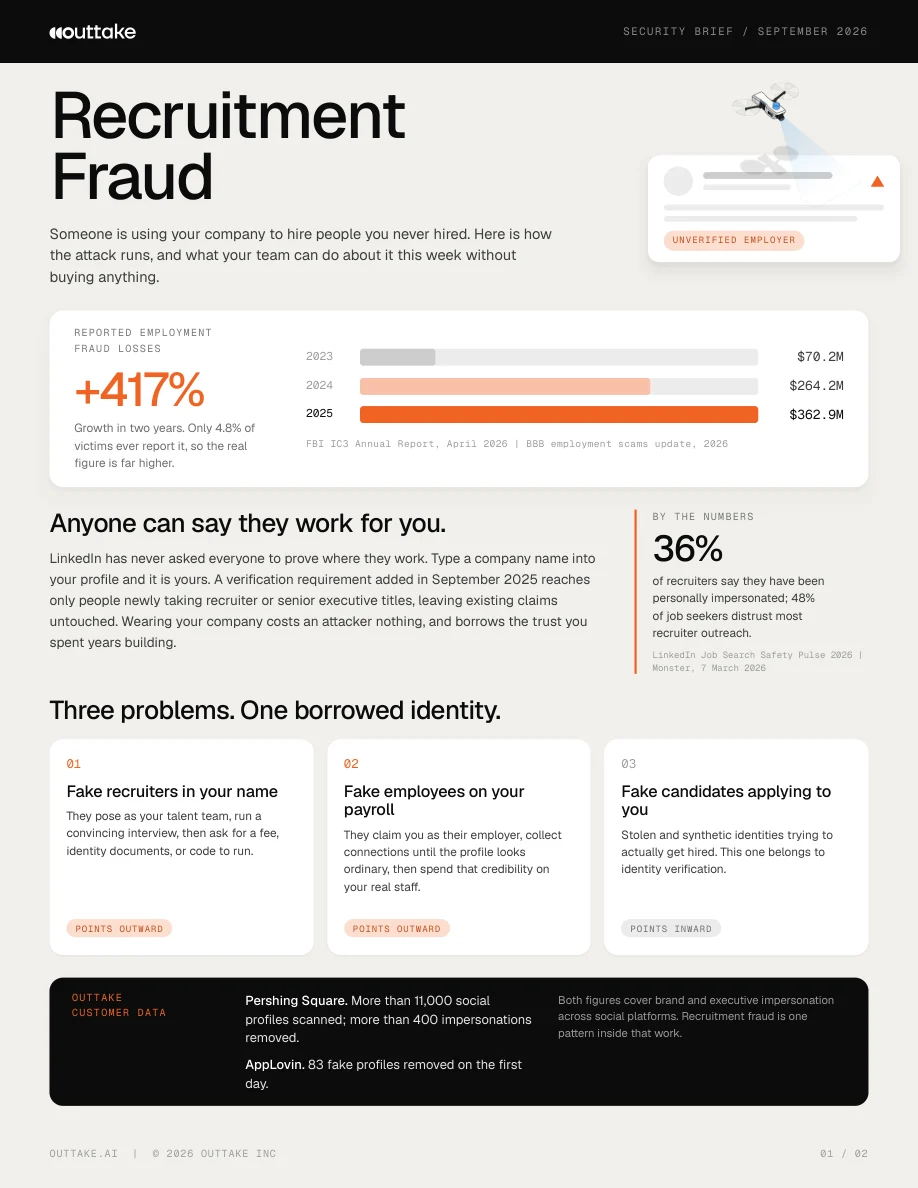
Outtake uses one fake recruiter as a starting point to map related accounts and infrastructure, then route confirmed assets through enforcement.

Map employees, contractors, staffing talent, and alumni into the Entity Registry, so Outtake knows who genuinely represents your company.
Agentic Search finds profiles claiming your company across professional and social platforms, including accounts most tools never return.
Triage classifies profiles as current, past, stale, or likely impersonators. Name matching handles nicknames and legal names. Humans review ambiguous cases.
Intelligent Workflows submit selected accounts through configured channels, track every case, and learn from each outcome so the next case moves faster.
Review the evidence, connected infrastructure, case status, and response workflow in one place.
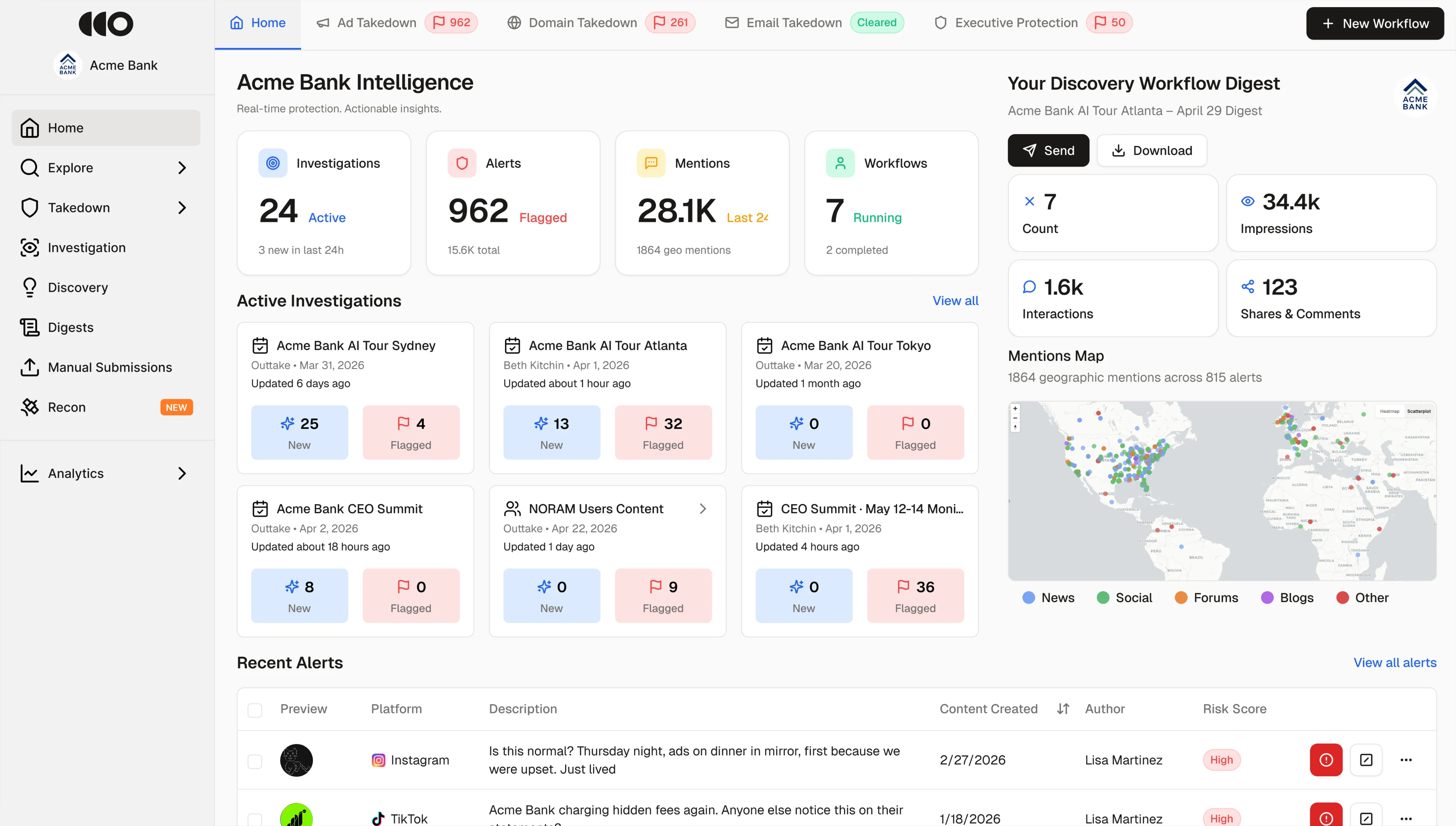
Autonomous agents search across your full digital surface.
Triage agents connect into the infrastructure and operator behind them.
Remediation agents carry threats through enforcement and confirmed removal.



Maps brands, people, locations, products, and workforce records so Outtake can distinguish trusted identities from impersonators.
Monitors your digital trust footprint across 45+ surfaces continuously, reducing blind spots across professional and social platforms.
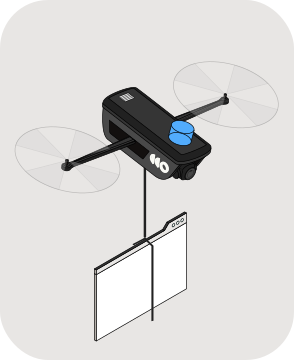
Carries context on entities, suspicious variants, fraudulent assets, adversaries, and evidence so every new profile starts with history.
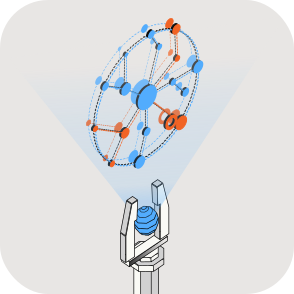
Connects adversarial networks and coordinated narratives, tracing related accounts and infrastructure back to the actors behind them.

Routes each case across security, brand, legal, and talent acquisition, then learns from every outcome to sharpen the next response.
Source for 45+ surfaces: Outtake Executive Protection page, current.


“A couple of hours from Outtake beats assigning an analyst and waiting six days. The math is not even close on speed.”
“Scrappy, efficient, and shipping real solutions. That is how this team stands out in a category crowded with vendors that consistently overpromise.”
“What took my analyst a full day, your platform finished in five minutes. I cannot think of enough good adjectives for this.”
Recruitment fraud is the abuse of a company's hiring channel by people who do not work there. It takes three forms that are constantly confused with each other. Fake recruiters impersonate a company's talent team to defraud candidates. Fake employees claim a company on their profile to gain credibility they then use against real staff. Fake candidates use synthetic identities to get hired. The first two point outward and damage the employer's brand and its people. The third points inward and is an identity verification problem. Outtake covers the first two.
Outtake finds every account claiming your company across professional and social platforms, including profiles with private or limited visibility that most tooling never returns, plus the spoofed careers domains and lookalike recruiter addresses behind fraudulent offers. Detection runs across text, images, video, and audio, so impersonation is visible even when keyword tools miss it.
To classify a profile as an impersonator, yes. Comparing against your workforce, contractor, staffing talent, and alumni data is what turns a suspicion into evidence, and it is why the results hold up. To count how many profiles currently claim your company, no. Most teams start with the count.
Search and triage run continuously. Submission is human-initiated and reviewed, because the failure mode of full automation here is reporting one of your own people. Platforms make the final enforcement decision on accounts, so Outtake does not quote a guaranteed removal rate for them. What Outtake reports is your own numbers: detection precision, submissions made, outcomes returned, and time from submission to resolution, tracked per case.
Recruitment fraud intelligence flows into SIEM, SOAR, and ticketing systems through Model Context Protocol. Case evidence is structured for the three teams that share this problem, so security, brand, and talent acquisition work from the same record instead of three inboxes. Adding a new brand, subsidiary, or acquired company to the Entity Registry brings it into coverage without adding analysts.
“Outtake delivered 120 imposter takedowns at 10x the speed of legacy DRP and accelerated threat reviews 3x.”